 Image 1 of 1
What if the Promise was never land?
What if it was never blood?
What if it was never obedience?
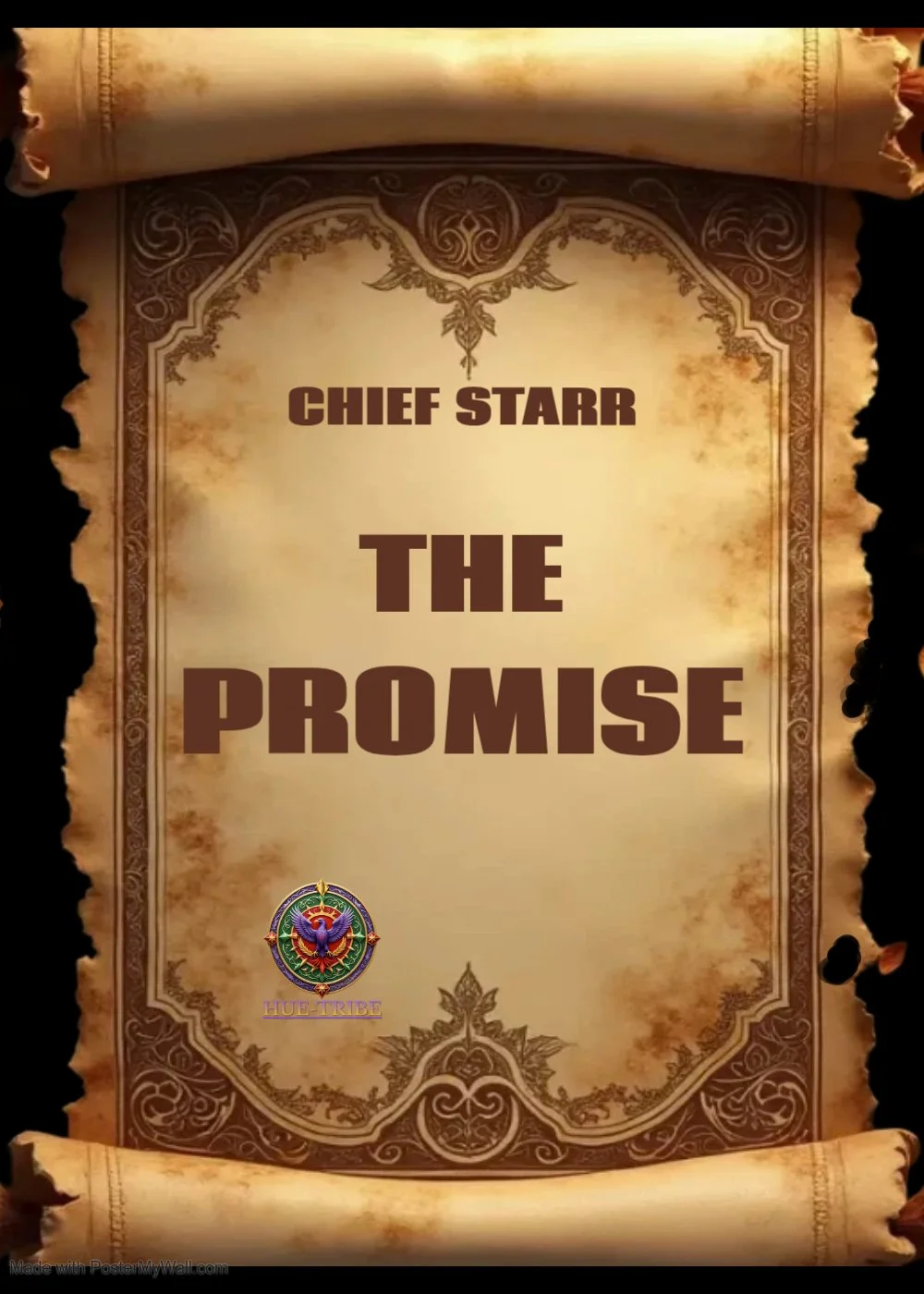
The Promise is a confrontational, deeply researched work that dismantles inherited religious assumptions and returns responsibility to the individual. Drawing from history, archaeology, linguistics, and human behavior, Chief Starr exposes how gods were merged, identities were reshaped, and authority was surrendered—slowly, deliberately, and without most people ever noticing.
This book asks the questions religion avoids:
Who lived in the land before it was called promised?
Which god made the promise—and over whom?
Why does language remember what doctrine forgets?
How did covenant become control?
Why does punishment contradict foreknowledge?
And why was “chosenness” ever believed to be inherited?
Written in a slow, deliberate teaching cadence, The Promise is not a religion, not an attack on faith, and not a replacement doctrine. It is a return to clarity.
This book is for readers who feel something has been missing—but were never given the tools to name it.
It does not tell you what to believe.
It shows you how belief was built.
And then it steps aside.
The Promise is for thinkers, questioners, seekers, and those ready to reclaim their authority without fear.
Read slowly.
Question freely.
No permission required.
What if the Promise was never land?
What if it was never blood?
What if it was never obedience?
The Promise is a confrontational, deeply researched work that dismantles inherited religious assumptions and returns responsibility to the individual. Drawing from history, archaeology, linguistics, and human behavior, Chief Starr exposes how gods were merged, identities were reshaped, and authority was surrendered—slowly, deliberately, and without most people ever noticing.
This book asks the questions religion avoids:
Who lived in the land before it was called promised?
Which god made the promise—and over whom?
Why does language remember what doctrine forgets?
How did covenant become control?
Why does punishment contradict foreknowledge?
And why was “chosenness” ever believed to be inherited?
Written in a slow, deliberate teaching cadence, The Promise is not a religion, not an attack on faith, and not a replacement doctrine. It is a return to clarity.
This book is for readers who feel something has been missing—but were never given the tools to name it.
It does not tell you what to believe.
It shows you how belief was built.
And then it steps aside.
The Promise is for thinkers, questioners, seekers, and those ready to reclaim their authority without fear.
Read slowly.
Question freely.
No permission required.